Your Guide to Cash For Junk Cars in Tampa
Change Your Junk Automobiles Into Money: The Reasons You Should Consider Selling Now
Converting a junk automobile into cash can be a practical choice for many vehicle owners. The potential financial benefits are often underestimated, as are the favorable effects on the environment. With various options available, understanding how to navigate this process is crucial. Yet, misconceptions about selling junk automobiles can discourage individuals from taking the required steps. Exploring the true value and the best practices can lead to unexpected advantages. What should one consider before taking action?
Discovering the Value of Your Unwanted Car
Although various vehicle owners might misjudge the monetary value of their junk vehicles, recognizing their potential worth is essential for enhancing potential cash returns. The market value of a junk car can fluctuate substantially based on several factors, including its manufacturer, model, age, and overall condition. Owners should examine whether the vehicle has reusable parts, as important resource several buyers want certain components for resale. Moreover, the local market demand for scrap metal can impact the final value, as prices change based on supply and demand.
Investigating similar vehicles in the region can deliver insights into competitive pricing. Sellers should also evaluate any notable features or aftermarket modifications that could boost the car's worth. Lastly, collecting quotes from multiple buyers, including salvage yards and private purchasers, can provide a fair appraisal. By thoroughly understanding these aspects, car owners can better position themselves to obtain a satisfactory offer for their junk automobile.
Economic Advantages of Selling Your Junk Car
Parting with a junk automobile can deliver notable economic benefits for owners looking to make room and secure some bonus funds. Many car owners underestimate the value of their old vehicles, which can fetch surprising amounts when sold to scrap yards or junk car buyers. These transactions typically provide quick payment, offering a quick solution for fiscal necessities or debt reduction.
Moreover, disposing of a junk car eliminates ongoing expenses related to maintenance, insurance, and registration. This doesn't just liberates funds but also eases the stress of maintaining an unwanted vehicle. Furthermore, owners can enjoy the potential tax deductions associated with charitable contributions of junk cars, further enhancing financial gain.
The Ecological Impact of Recycling Automobiles
Auto recycling plays a fundamental part in reducing landfill waste by keeping old cars from contributing to growing waste sites. In addition, it aids in preserve natural resources by permitting valuable materials to be reused in manufacturing processes. Furthermore, recycling minimizes pollution emissions connected to the production of new vehicles, fostering a more sustainable environment.
Decreasing Dump Site Trash
Decreasing landfill waste is an important benefit of recycling vehicles, as it aids in minimize the environmental impact connected to discarded automobiles. When vehicles are abandoned in landfills, they result in soil and water contamination through the leaching of dangerous substances including oil, batteries, and fluids. By recycling these vehicles, valuable materials including steel, aluminum, and plastics are reused, significantly lowering the volume of waste sent to landfills. This process not only preserves space in landfills but also decreases the need for new landfills, which can disrupt local ecosystems. Moreover, recycling efforts encourage responsible waste management and cultivate a culture of sustainability, motivating individuals and communities to reflect thoughtfully about waste production and disposal.
Conserving Our Natural Resources
Despite appearing minor, the act of recycling junk cars plays a crucial role in conserving natural resources. When vehicles are recycled, valuable materials such as steel, aluminum, and copper can be retrieved and reprocessed. This process notably reduces the need for mining new ores, which can be both environmentally damaging and resource-intensive. Additionally, recycling vehicles helps save energy, as generating new materials often requires substantial amounts of energy compared to reusing existing ones. By breaking down and reprocessing components, automotive recyclers not only maintain these natural resources but also support a more sustainable economy. In conclusion, selling junk cars for recycling is a responsible choice that advances resource conservation and encourages environmental stewardship.
Minimizing Pollutant Emissions
As environmental sustainability becomes a greater societal priority, the recycling of junk cars emerges as an essential strategy for reducing pollution emissions. When vehicles are dismantled and recycled, harmful components, such as lead batteries and oil, are properly removed, avoiding toxic substances from contaminating soil and water sources. Additionally, recycling metal from junk cars reduces the need for new metal production, which is energy-intensive and contributes greatly to greenhouse gas emissions. By converting old vehicles into reusable materials, the overall carbon footprint related to manufacturing processes is substantially lowered. Moreover, the recycling industry produces jobs and stimulates local economies, promoting sustainable practices. As a result, selling junk cars not only produces cash but also plays a significant role in supporting environmental health.
Getting Your Junk Car Ready to Sell
Preparing a junk vehicle for sale entails two essential steps. First, the seller should compile all necessary documentation, such as the title and registration, to promote a smooth transaction. Additionally, removing personal items from the automobile guarantees a clean and organized handover.
Assemble Essential Documentation
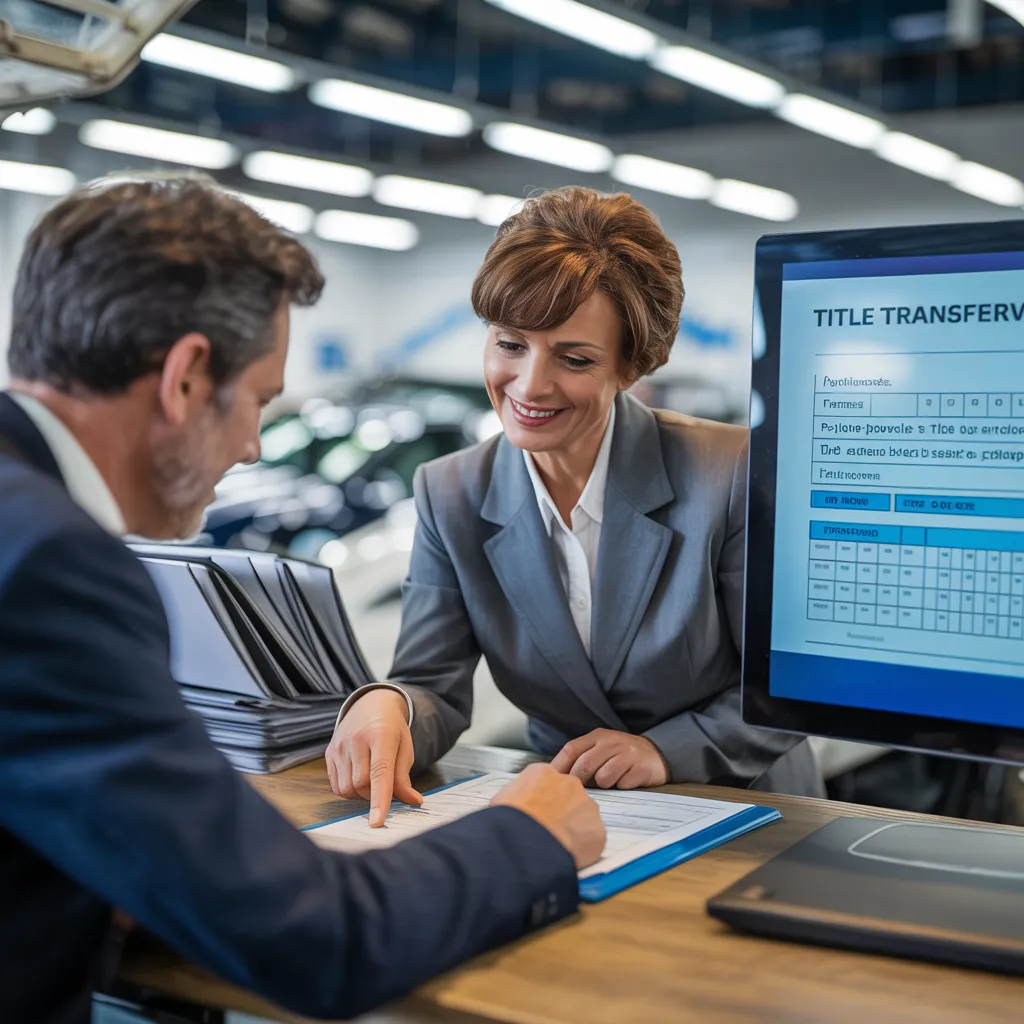
Before selling a junk car, it is vital for sellers to compile the required documentation to expedite the process and secure a smooth transaction. Key documents include the vehicle title, which confirms ownership. If the title is misplaced, sellers should secure a replacement from their local Department of Motor Vehicles (DMV). Furthermore, a bill of sale may be needed, especially for private sales, to log the transaction details. Sellers should also compile any past registration and maintenance records, as these can furnish valuable information to prospective buyers. Lastly, having a valid identification, such as a copyright, guarantees that the seller's identity is verified during the sale. Proper documentation not only facilitates the sale but also protects both parties involved.
Remove Personal Items
Once the essential documentation is in proper order, sellers should prioritize removing personal belongings from the junk car. This step is crucial to guarantee that no items are left behind, which could cause complications later. Sellers should thoroughly examine all compartments, including the glove box, center console, and under the seats, as personal items often collect in these areas. It's crucial to look for valuable items such as electronics, documents, or personal effects that may have been overlooked. Additionally, sellers should check the trunk for any hidden belongings. By taking the time to remove these items, sellers not only protect their personal information but also make the car ready for the next owner or salvage yard, expediting the selling process.
Selecting the Ideal Buyer for Your Junk Car
How can one guarantee they choose the right buyer for their junk car? First, it's important to examine potential buyers carefully. This entails examining digital reviews, testimonials, and ratings from former customers to assess their reputation. It's prudent to get in touch with multiple buyers to contrast offers and inquire about their procedures. Transparency is vital; a reputable buyer should provide transparent information regarding pricing, towing services, and payment procedures.
In addition, ensuring that the buyer is both licensed and insured can provide reassurance of their reliability. It is also advantageous to examine their openness to answer inquiries and handle concerns, reflecting their dedication to customer service. Additionally, potential sellers should evaluate buyers who specialize in junk cars, as they are often better informed about valuation and can offer better prices. By taking these steps, sellers can make an intelligent decision, ensuring a smooth transaction and maximizing their return.
Common Misconceptions About Junk Vehicle Sales
Several sellers have misconceptions about the process of selling junk cars, which can result in confusion and missed opportunities. One common myth is that junk cars have no value, leading owners to believe they should simply scrap them. In reality, many buyers are willing to pay for parts or scrap value. Another misconception is that the car must be in working condition to sell. Many buyers specialize in junk cars regardless of their operational status. Additionally, some sellers feel the paperwork is overly complicated; however, most transactions require limited documentation that can often be completed quickly. Finally, there is a belief that selling junk cars is a lengthy process. In fact, many transactions can be completed within a day. By debunking these myths, sellers can better navigate the selling process and maximize their potential cash return.
Recommendations for a Seamless Selling Venture
How can sellers ensure a smooth process when selling junk vehicles? To begin with, sellers should compile all required documentation, including the vehicle title and any maintenance records. This positions them for potential requests from buyers. Next, getting multiple quotes from local junk car buyers or salvage yards helps in identifying the best offer. Sellers should also confirm that the vehicle is clean and free of personal belongings, as this illustrates professionalism.
In addition, sellers should be honest about the vehicle's condition, providing honest details to eliminate disputes later. Scheduling the sale during daylight hours can boost safety and visibility, making the transaction more secure. Finally, sellers should know the payment methods accepted and verify they receive payment before handing over the title. By following these tips, sellers can have a smooth process and maximize their returns from selling their junk cars.
Popular Questions
Can I Sell My Junk Car Without a Title?
Yes, one can sell a junk car without a title, though the process may be more complicated. Certain buyers might accept alternative documentation such as a bill of sale, though regulations differ by state and jurisdiction.
What Is the Duration of the Selling Process?
The process of selling a junk vehicle generally requires anywhere from several hours to two days. Variables impacting this duration consist of processing the essential documents, the buyer's availability, and which selling approach you choose.
Do Junk Car Removal Services Charge Fees?
In most cases, junk car removal services can charge fees, but many companies give free pick-up. It is recommended for sellers to inquire about potential costs upfront to avoid unexpected charges during the removal process.
What Papers Are Necessary to Sell My Junk Car?
When selling a junk vehicle, you generally need the vehicle title, vehicle registration, and a valid ID. Other paperwork may consist of a bill of sale or any release of liability forms mandated by local authorities.
Am I Able to Sell Individual Parts from My Junk Car?
Yes, parts of a junk car can be sold separately. Many individuals regularly break down vehicles to market valuable elements like engines, transmissions, and tires, maximizing profit potential while ensuring compliance with local regulations related to vehicle disposal.